


How to Get Started with Falconry Training
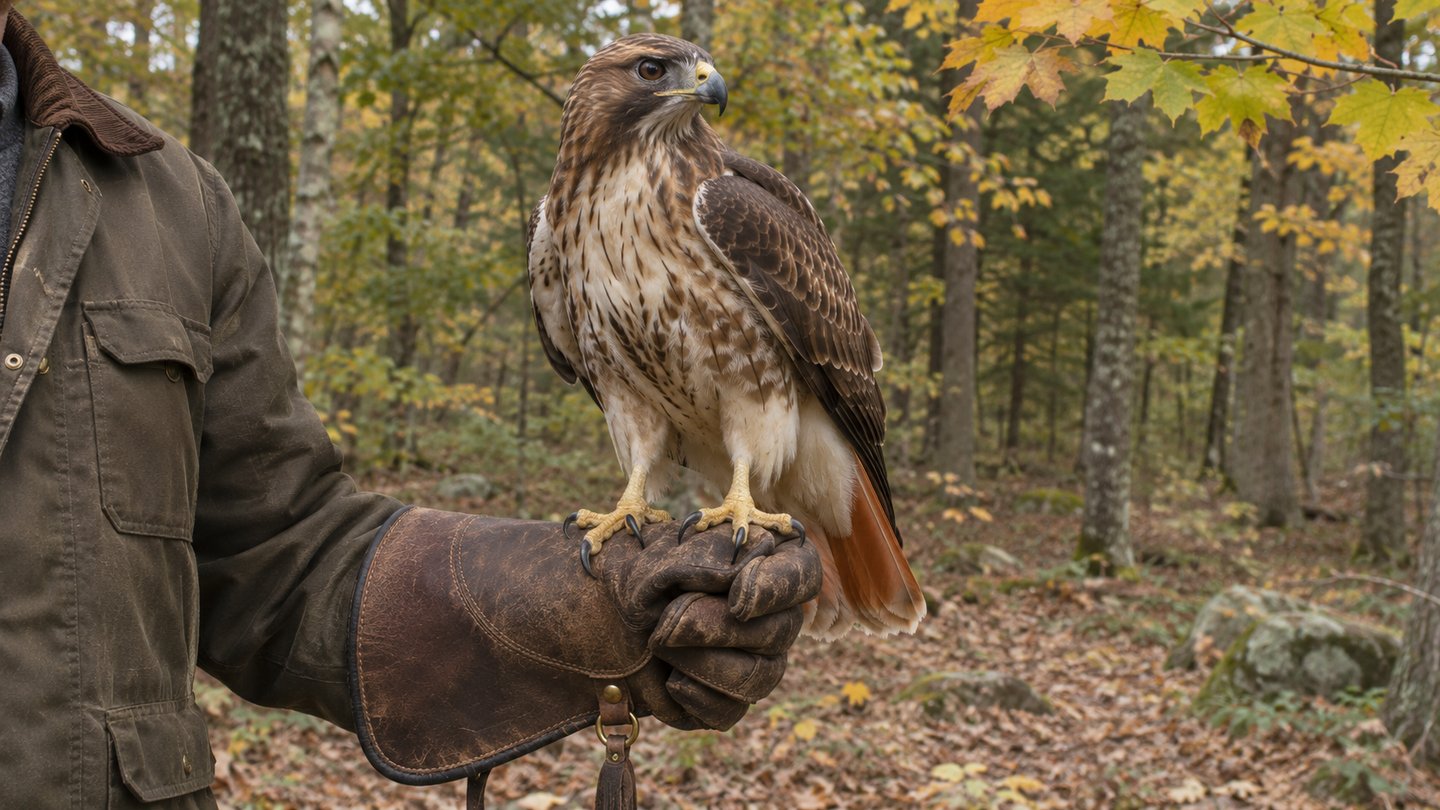
At a first falconry demonstration, a hawk may spend several minutes on the glove before it ever takes flight. That gives you time to watch what the falconer watches: where the bird looks, how it shifts its weight and what is happening around it. Falconry training begins with learning to notice those details.
A short description can help you choose where to start, whether you are browsing games at the online casino Rusheria UK or comparing workshops. Before booking a falconry session, ask what you will get to watch and who will supervise any handling.
What a First Falconry Session Covers
Falconry is the practice of hunting with a trained bird of prey. A public demonstration can introduce the birds and show some of the work a falconer does with them. In a small group, you might be able to ask why the falconer chose a particular field or how they decide whether to fly in a gusty wind. The school?s video page gives you a glimpse of the work through footage featuring master falconer Nancy Cowan.
Course names vary, so read the description and check directly with the organiser. These four formats involve different amounts of time and participation.
| Format | What to expect | Who it suits |
|---|---|---|
| Public demonstration | A presenter explains the bird?s behaviour and may show it in flight. | Visitors curious about birds of prey |
| Supervised experience | A falconer explains what visitors may do and leads any hands-on activity. | Beginners who want a closer look |
| Guided observation | Visitors accompany a falconer in the field and follow directions on where to walk and stand. | People interested in seeing falconry in practice |
| Apprenticeship | A sponsor guides a beginner through ongoing work alongside the local permitting process. | People preparing to practise falconry themselves |
The programme can change with the weather, the terrain or the bird?s condition on the day. Ask how the falconer would handle a change of plan. You may find you learn as much from hearing why they postponed a flight as you would from watching one.
?What do you watch for when you decide whether this bird is ready to fly today??
How to Find Falconry Training Near You
Typing ?falconry training near me? into a search engine may bring up introductions, gift experiences and clubs in the same list. Add your town, county or state to narrow it down. If you want a first visit, look for a clear description of the programme. If you are thinking about an apprenticeship, ask your wildlife authority or regional falconry club where prospective apprentices usually start.
Before you travel or pay a deposit, contact the organiser and ask for details you can compare across venues.
- Who leads the session, and how many visitors will be in the group?
- What may visitors do, and who supervises them?
- What changes in rain, strong wind or hot weather?
- How much walking is involved, and what is the terrain like?
- Are there age limits, access arrangements or clothing requirements?
- What happens to the booking if the organiser reschedules the session?
If you plan to practise falconry in New Hampshire, check the current requirements with the New Hampshire Fish and Game Department. The state?s apprentice permit application asks for a sponsor?s signature. Ask the department which steps apply to you before committing to a course or buying equipment. If you live elsewhere, start with the wildlife authority for your area.
Which Falconry Training Books to Read First
Good falconry training books give you terms to listen for and questions to take into the field. Read a chapter on raptor behaviour before a visit, then jot down a question about something you actually saw. A book on red-tailed hawks can help you prepare for a conversation about that species. A broader reference gives you a sense of how the work varies with birds and terrain.
The California Hawking Club?s apprentice bookshelf lists the following books and DVDs. Start with the title that covers the questions you brought home.
| Title | Format | What to look for |
|---|---|---|
| The Falconer?s Apprentice by William Oakes | Book | A guide focused on the red-tailed hawk. |
| North American Falconry and Hunting Hawks by F. L. Beebe and H. M. Webster | Book | Wider context on falconry in North America. |
| Understanding Falconry by J. P. Jones | DVD | A filmed introduction to discuss with an instructor. |
| Behavior & Learning by Faraway Films | DVD | A closer look at how birds behave and learn. |
Borrow a copy if you can, and check the edition before ordering a used book. Ask a sponsor which chapters they suggest you read first. Keep a note of where the author worked and which bird they describe, especially when you see a recommendation that differs from what your instructor does.

What Falconry Training DVDs Can Show You
Falconry training DVDs give you time to replay small details, such as how the falconer pauses to give a bird space. Footage may be edited or filmed under very different conditions from the ones you will encounter. A complete sequence with commentary is easier to interpret. When buying an older disc, check the region code and whether your equipment can play it.
Pick one sequence to watch again before your next session. A few notes are enough to turn it into a conversation.
- Write down the species if the presenter identifies it.
- Notice what is visible about the weather and surroundings.
- Watch the bird?s posture before and after the falconer pauses.
- Note any cut that leaves you wondering what happened in between.
- Bring one observation to your next supervised session.
Try asking how your instructor would interpret what you saw. They can explain which details matter for the bird in front of you.
?I saw the falconer pause here. What might they have noticed that the camera missed??
Start with a visit that gives you time to watch and ask questions. Afterwards, choose one book or film that follows up on something you saw. If regular work with a bird still appeals to you, speak with your local wildlife authority and find out what a sponsor would expect. That conversation gives you a clearer picture of the time, care and judgement falconry calls for beyond a first afternoon.